Garden renovation in Wanstead
If your outdoor space has started to feel tired, awkward to use, or simply out of step with how you live, garden renovation in Wanstead can make a remarkable difference. Whether you have a compact terrace garden near the High Street, a larger family plot close to Wanstead Flats, or a commercial outdoor area that needs practical improvements, a thoughtful renovation can turn an underused garden into a space that works better every day.
Wanstead homes often come with character, but that character can also mean older layouts, uneven ground, mature planting that has grown beyond control, or boundaries and access points that need careful handling. A well-planned renovation respects the property you already have while improving drainage, circulation, planting, and usability. The result is not just a nicer-looking garden, but one that feels easier to maintain and more enjoyable through the seasons.
Many local customers come to us with the same questions: Where do we begin? What should stay and what should go? How do we create more space for entertaining, family life, or low-maintenance living without losing the garden’s personality? A good renovation answers those questions clearly, with a plan that fits your goals, your budget, and the realities of your site.
Why renovate a garden in Wanstead?

There are plenty of reasons people decide it is time for a fresh start outdoors. Some gardens become hard to manage because hedges, trees, and borders have become overgrown. Others have inherited features that no longer suit the property, such as cracked paving, tired fencing, patchy lawns, or planting that looks good for only a short part of the year. In many cases, the space is simply not being used properly.
Garden renovation in Wanstead is often about making a home feel more complete. Families may want a safer lawn for children, better seating areas for gatherings, or stronger boundaries for privacy. Professional couples may want low-maintenance planting and clean hard landscaping. Landlords and commercial property owners may need a more presentable outdoor area that is easier to keep tidy and more welcoming overall.
Wanstead’s mix of Victorian and Edwardian homes, post-war properties, maisonettes, and newer developments means no two gardens are the same. Some have narrow side access, some have hidden levels, and some contain mature trees that cast significant shade. Renovation work needs to account for all of this so the finished garden feels tailored rather than forced.
What a garden renovation can include

A garden makeover can be as modest or as transformative as the property calls for. In some cases, the work is focused on clearing, repairing, and refreshing; in others, it involves a complete redesign. Either way, the aim is to create a garden that looks better and functions better.
Typical garden renovation services may include:
- Removal of overgrown shrubs, small trees, and unwanted planting
- Clearing old beds, turf, debris, and garden waste
- Repair or replacement of fencing, edging, and boundaries
- New turf, seeding, or lawn restoration
- Redesigned planting beds with seasonal and structural planting
- Patios, pathways, and practical hard landscaping
- Raised beds, planters, and screened seating areas
- Improved drainage and soil preparation
- Fresh mulch, decorative gravel, or low-maintenance finishes
- Lighting, where appropriate, to improve evening use and safety
Not every project needs every element. The best results usually come from choosing the right combination of structural changes and planting updates, rather than trying to do everything at once. A sensible plan keeps the work manageable and ensures the garden feels balanced once complete.
How the process usually works

For many customers, the renovation process begins with a conversation about what is not working. It may be that the lawn is mostly moss, the patio is too small, the garden floods after heavy rain, or the planting looks sparse in winter. Once the issues are clear, the next step is to shape a practical plan that matches your priorities.
The work often begins with clearance. This can involve removing dead growth, lifting old materials, stripping turf, and sorting areas that have become cluttered over time. Once the space is cleared, the structure of the garden becomes easier to see, which helps with decisions about layout, access, and where new features should go.
After that, hard landscaping and soft landscaping can be organised in a sensible order. Hard landscaping covers the built elements such as paving, steps, retaining edges, and borders. Soft landscaping includes soil improvement, planting, turfing, and mulching. A good balance between the two helps the garden feel cohesive, durable, and attractive across different seasons.
Local knowledge matters in Wanstead
Working in Wanstead is not the same as working in a more open, modern development. Local gardens often come with tight rear access, shared side passages, limited parking, or mature trees that affect light and soil conditions. A local team understands how these practical details influence the timing and setup of the job, which helps reduce disruption and keeps the project moving smoothly.
Residential streets around Wanstead Village, the areas near Christchurch Green, and roads closer to Snaresbrook or Redbridge can all present different access considerations. A skilled team plans ahead for tool movement, material deliveries, and waste removal so the renovation runs efficiently without unnecessary inconvenience to neighbours or the household.
For commercial customers, local experience is just as useful. Small offices, medical practices, schools, hospitality venues, and managed properties often need gardens or outdoor spaces that are tidy, durable, and easy to maintain. Renovation work for these sites needs careful scheduling, neat presentation, and practical finishes that suit regular use.
Signs your garden is ready for renovation
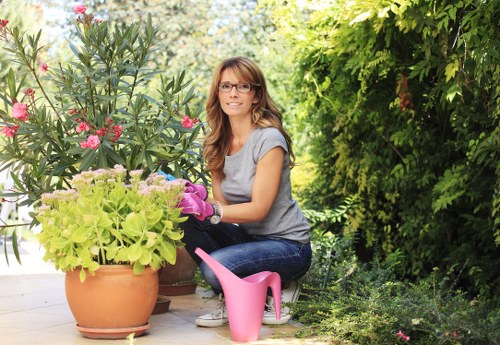
If you are unsure whether you need a full renovation or just a smaller refresh, it helps to look at how the garden is performing day to day. Some signs are obvious, while others are only noticeable once you have lived with the space for a while.
Common signs include:
- The garden feels too small, even if the footprint is not
- There is not enough usable seating or dining space
- The lawn is patchy, uneven, or dominated by weeds
- Planting is overgrown, unbalanced, or hard to maintain
- Drainage problems cause puddling or muddy areas
- Old paving is cracked, slippery, or poorly laid out
- Fencing, borders, or raised features look tired or unstable
- The garden does not feel private enough
- You want a lower-maintenance layout that still looks good
If several of these apply, renovation may be the right next step. In many Wanstead properties, small changes in layout can make a huge difference to how the outdoor space feels and how often it gets used.
Garden styles and property types we commonly work with

Wanstead has a varied mix of properties, and each type presents different opportunities. Traditional houses often have long rear gardens that benefit from clearer zoning, such as separate areas for dining, play, and planting. Smaller gardens may need space-saving ideas like built-in borders, narrow pathways, and carefully chosen planting to keep the area open.
Flats and maisonettes often need compact, tidy outdoor areas that feel calm rather than cluttered. That might mean improving privacy with screening, replacing worn surfaces, or turning a difficult corner into a useful feature area. For homes with mature trees, the challenge may be to create planting that copes with shade and root competition without looking sparse.
Commercial premises in the Wanstead area may need outdoor spaces that are welcoming but low-maintenance. A renovation can help with first impressions, staff wellbeing, and usability, while also making routine upkeep more straightforward for those responsible for the site.
What is included in a typical renovation project?
Every project is different, but a well-managed renovation usually covers both the visible changes and the behind-the-scenes preparation that supports them. That preparation is often what makes the finished garden last longer and perform better in practical use.
- Initial assessment: reviewing the site, discussing priorities, and identifying problem areas
- Clearance and removal: taking away waste, old features, and unwanted growth
- Ground preparation: levelling, improving soil, and addressing drainage where needed
- Layout changes: creating new paths, seating areas, borders, or lawn shapes
- Surface work: turfing, paving, graveling, or other chosen finishes
- Planting: adding shrubs, perennials, climbers, or seasonal colour
- Finishing details: edging, mulching, screening, and tidy transitions between areas
Some customers prefer a phased approach, especially if the garden is large or the budget needs to be spread across stages. That can be a sensible way to tackle a bigger renovation without compromising quality. It also lets you prioritise the most important improvements first.
Structural improvements that make a big difference
Structure is often what separates a good garden from a frustrating one. If the layout is awkward, the space may never feel truly comfortable, even if the planting is attractive. This is why many renovations in Wanstead focus on circulation, boundary definition, and usability before anything else.
Useful structural upgrades can include retaining edges for sloped plots, replacing tired paving with more practical surfaces, and creating stronger transitions between lawn, borders, and seating areas. These changes help the garden feel organised and easier to live with. They can also make maintenance simpler, because clear edges and sensible access routes reduce daily effort.
For homes with children or pets, structure matters even more. A safer lawn, fewer trip hazards, and better-defined zones make the garden more usable throughout the week, not just on special occasions.
Planting that suits Wanstead conditions
Planting should be chosen for the garden’s light, soil, and level of maintenance you actually want. In Wanstead, many gardens have a mixture of sun and shade, especially where larger neighbouring trees or surrounding buildings affect light levels. That means plant selection should be practical as well as attractive.
Rather than filling borders with plants that look good for a few weeks and then struggle, a better approach is to build layers of interest. Evergreens provide structure, perennials bring seasonal movement, and shrubs create shape through the year. Climbers, grasses, and groundcover can also soften boundaries and reduce the amount of open soil that needs ongoing upkeep.
Low-maintenance options for busy households
If you want a garden that looks cared for without requiring constant attention, there are plenty of sensible choices. Well-prepared borders with mulch reduce weeds. Evergreen shrubs and structured planting keep the space looking full. Durable paving and defined beds reduce the areas that need regular work. The result is a garden that still feels alive, but does not dominate your weekends.
Preparation checklist before work begins
Preparing properly helps the renovation start smoothly and avoids delays. If you are planning a project, it is helpful to think through the following points before the work begins.
- Decide what you want to keep, remove, or change
- Think about how you use the garden now, and how you want to use it after renovation
- Consider whether you need space for children, pets, entertaining, or relaxation
- Check side access and note anything that may affect deliveries or waste removal
- Move portable items such as pots, furniture, and ornaments if possible
- Tell the team about hidden services, awkward access points, or fragile areas
- Be clear about any planting you definitely want to retain
- Decide whether the project should be done in one phase or several stages
It is also helpful to think about timing. Some customers prefer to complete garden renovation before summer use, while others want the work done in autumn or winter so the space is ready for the following season. A local team can help you choose a practical schedule based on the type of work involved.
Pricing factors to consider
Garden renovation costs vary because every site is different. A small front garden refresh will not involve the same amount of work as a full redesign of a long rear garden with drainage issues and extensive clearance. Rather than looking for a one-size-fits-all figure, it is more useful to understand what affects the overall scope.
Common pricing factors include:
- Size of the garden and overall access
- Amount of clearance and waste removal needed
- Condition of the existing surfaces and soil
- Whether drainage or levelling is required
- Choice of materials for paving, borders, or screening
- Complexity of the design and number of features included
- Planting style, maturity of planting, and finishing requirements
- Whether the project is completed all at once or in stages
A proper quotation should reflect the reality of your site rather than a generic estimate. That is especially important in Wanstead, where access and ground conditions can vary significantly even between neighbouring streets.
How to keep the project within budget
There are a few practical ways to manage costs without sacrificing the quality of the final result. Prioritise the changes that will have the biggest impact first, such as clearance, drainage, paving, or layout improvements. Use planting strategically to soften and complete the design rather than trying to fill every inch immediately. Consider durable, lower-maintenance materials where appropriate. And if needed, phase the work so the garden develops in stages.
Why choose a local company for garden renovation in Wanstead?
Choosing a local team brings practical advantages that go beyond convenience. Local knowledge helps with scheduling, access planning, materials delivery, and understanding the kind of gardens common in the area. It also means the team is more likely to be familiar with the expectations of local homeowners and property managers.
A nearby company can often respond more flexibly to site visits, follow-up questions, and phased work. If your garden is close to Wanstead Park, Snaresbrook, Leytonstone, South Woodford, Redbridge, or surrounding East London neighbourhoods, having a team that regularly works in the area can make the process feel more straightforward.
Choosing local also helps when your garden has specific challenges. Narrow side returns, shared boundaries, mature planting, and older drainage systems all need careful handling. A team that sees these issues regularly is better placed to plan a practical renovation that suits the property and the street.
Areas covered
Garden renovation services in Wanstead can typically support nearby residential and commercial locations across the surrounding area. This may include:
- Wanstead
- Wanstead Village
- Snaresbrook
- South Woodford
- Leytonstone
- Redbridge
- Woodford
- Nearby East London and Essex border locations
If your property sits just outside these areas, it is still worth asking whether the project can be accommodated. Local teams often cover a wider radius depending on the type and size of the job.
Frequently asked questions
Do I need a full redesign, or can part of the garden be kept?
In many cases, you can keep the parts that are still working well. A renovation does not always mean starting from zero. Mature trees, healthy shrubs, good paving, or useful structures can often be retained and built around, which helps preserve character and control cost.
Can you renovate a small Wanstead garden?
Yes. Small gardens often benefit the most from careful renovation because layout and storage choices have such a big effect on how the space feels. Even modest changes to borders, surfaces, and planting can make a compact garden look cleaner, brighter, and more usable.
What if my garden has poor drainage?
Poor drainage is a common issue and should be addressed as part of the planning stage. Depending on the site, solutions may involve levelling, improving soil structure, changing surface materials, or adjusting the layout to help water move more effectively.
Can renovation work be done in stages?
Yes, phased work is often a sensible option. You may want to begin with clearance and structural changes, then add planting and finishing touches later. This approach can be especially useful for larger gardens or where you want to spread the work over time.
How long does a garden renovation take?
The timescale depends on the size of the garden, the amount of preparation required, and the features being added. A simple refresh may be relatively quick, while a full renovation with landscaping, drainage work, and planting will naturally take longer. A clear plan at the start helps set realistic expectations.
Will the garden be very disruptive while the work is taking place?
There will usually be some disruption, especially during clearance and construction phases, but a local team can help keep this under control by planning access, waste removal, and deliveries carefully. Good communication and a tidy work approach make a major difference.
What customers usually value most
People looking for garden renovation in Wanstead usually want more than a cosmetic change. They want a space that feels easier to use, simpler to maintain, and better suited to everyday life. That may mean replacing an awkward layout, making a garden safer for children, improving privacy, or creating a cleaner and more welcoming appearance for visitors and residents alike.
Clarity is important. Customers value a service that explains what is happening, why certain changes are recommended, and how different choices affect the finished result. A good renovation should feel purposeful at every stage, from clearance to planting.
They also value practicality. A beautiful garden is not much use if it floods, becomes overcrowded, or needs constant work. The most successful projects are the ones that look good and function well, with details chosen to suit the property and the way the space is actually lived in.
Book your garden renovation
If your garden in Wanstead is ready for a change, now is a good time to take the next step. Whether you need a small refresh or a full transformation, a local renovation can help you make better use of your outdoor space and enjoy it more throughout the year.
From older residential gardens to modern courtyard spaces and commercial outdoor areas, the right plan can bring order, balance, and lasting improvement. Contact us today to discuss your project, request a free quote, or book your service now and start turning your garden into a space that truly works for you.

